Harmony at Home: Smarter Routines for School Runs, Meals, and Calendars

Let’s make daily life flow with dependable patterns that actually fit real families. Today we dig into family coordination workflows for school runs, meals, and calendars, sharing practical routines, flexible tools, and heartfelt stories that reduce stress, reclaim time, and keep everyone moving together. Share your favorite shortcuts in the comments and subscribe for weekly checklists and templates.

Launching the Day Without Panic

Night-Before Prep

Ten quiet minutes after dinner transform tomorrow: fill water bottles, sign papers, check uniforms, charge devices, and stage instruments. A simple basket per child holds essentials, while a sticky note on the door lists any unique items, from cupcakes to permission slips or sports gear.

Five-Minute Morning Huddle

Ten quiet minutes after dinner transform tomorrow: fill water bottles, sign papers, check uniforms, charge devices, and stage instruments. A simple basket per child holds essentials, while a sticky note on the door lists any unique items, from cupcakes to permission slips or sports gear.

Backpack and Doorway Systems

Ten quiet minutes after dinner transform tomorrow: fill water bottles, sign papers, check uniforms, charge devices, and stage instruments. A simple basket per child holds essentials, while a sticky note on the door lists any unique items, from cupcakes to permission slips or sports gear.

Meals That Practically Cook Themselves

We’ll build a rotating plan that removes choice overload while protecting variety and nutrition. Batch proteins, prep grains, and wash produce once, then assemble fast on weeknights. Clear labels and freezer-friendly containers spare energy, while shared decisions keep picky eaters cooperative and genuinely excited.

Two-Week Rotating Menu

Choose anchor nights like Soup Monday, Taco Tuesday, Sheet-Pan Wednesday, and Pasta Friday, leaving one slot open for leftovers or a new recipe. Rotate proteins and flavors seasonally, involve kids in side options, and track hits in a simple note to repeat reliable crowd-pleasers. When Maya tried this, weeknights felt calmer within days.

Sunday Prep and Midweek Top-Up

Cook double-batch chicken, roast vegetables, simmer beans, and portion sauces into jars while playlists keep motivation high. On Wednesday, refresh produce, bake quick muffins, and reset lunch bins. This rhythm smooths busy evenings and reduces waste, because ingredients always have a planned destination.
One Calendar to Guide Them All

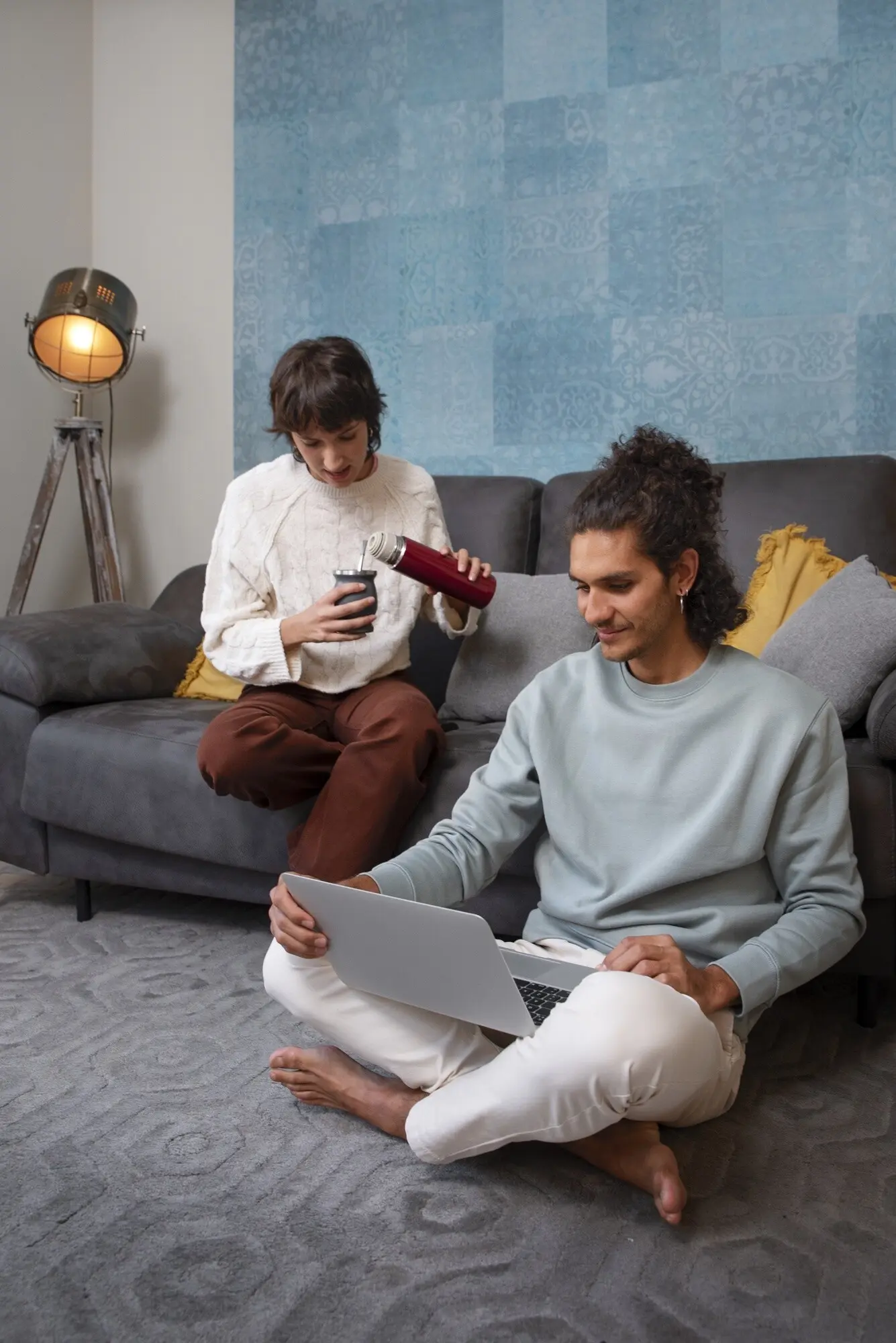
Bring school runs, meals, rehearsals, and appointments into one shared calendar that lives where everyone looks. Color-code by person, layer school feeds, and automate reminders with respectful lead times. Add buffers before transitions, and capture travel details so pickups and dinners stop colliding unexpectedly.

Transport Tactics and Carpools That Work

Reduce solo drives and waiting loops by designing shared routes that honor safety, fairness, and real-world timing. Standardize pick-up points, swap emergency contacts, and confirm seat arrangements early. Clear expectations transform tense curbside scrambles into relaxed routines with known faces and reassuring predictability.

Carpool Agreements That Stick

Write down rotation order, timing windows, wait-time limits, and fuel or snack contributions, then share it in your group chat. Clarify booster policies and music volume. A light, friendly tone keeps accountability high, while visible commitments prevent resentment when traffic or delays happen.

Routing, Parking, and Timing

Use a mapping app’s live data to select the predictable route, not just the shortest. Pre-choose two parking lots, label the best exit door, and screenshot codes. Leave earlier than feels necessary, because easy arrivals create breathing room that calms kids before transitions.

Weather and Sickness Backups

Prepare rain bags with ponchos and dry socks, store tissues and sanitizer in doors, and note who can cover fevers on short notice. When storms hit, reduce extracurriculars and prioritize essentials. Families feel safer when plan B is predictable, practiced, and kindly communicated.

After-School Rhythm Without Overload

Guard energy after pickup with a dependable sequence: snack, movement, homework sprint, then decompression. Design spaces that cue focus without pressure, use timers compassionately, and protect early bedtimes. When the rhythm is known, resistance melts, and evenings feel purposeful rather than endlessly negotiable.

Communication, Checklists, and Micro-Rituals

When information lives in predictable places, people relax. We will standardize a simple chat protocol, keep whiteboards current, and close every evening with a thirty-second recap. Shared visibility prevents duplicated efforts, reveals overload early, and builds trust that plans survive real life together.

Daily Standup, Family-Style

Three questions guide a playful circle: What’s important today, where might help be needed, and what will we celebrate this evening. Keep it under three minutes, maybe with a bell. This ritual reveals constraints kindly and sparks collaborative problem-solving before crunch time.

Visual Boards and Checklists

Create a magnetic dashboard with weekly menus, rides, and chores, plus a progress lane for in-flight tasks. Kids move their magnets as they finish. Paper lovers can use clipboards. When completion is visible, reminders feel neutral, and momentum builds without nagging or conflict.